The modern digital landscape has witnessed a significant transformation in how classic arcade mechanics are reimagined for the contemporary era. By focusing on deep systems and emergent gameplay, developers are moving beyond simple nostalgia to create experiences that feel fresh every time a player hits the start button.
The Shift Toward Procedural Level Design
One of the most effective ways developers ensure longevity in arcade titles is through the use of procedural generation. This technique allows games to build unique layouts and enemy placements for every session, ensuring that no two journeys are ever exactly the same.
Instead of memorizing static patterns, players must develop fundamental skills and adaptability to overcome ever-changing obstacles. This design philosophy encourages a deeper level of engagement as users learn to master the core mechanics rather than just the environment.
Modern titles often blend these randomized elements with hand-crafted assets to maintain a high standard of visual quality and thematic consistency. This balance provides the perfect middle ground between the unpredictability of AI and the artistic vision of human designers.
Mastery Through Skill Based Progression
Replayability is also heavily influenced by how a game handles its difficulty curve and reward systems. Successful arcade adventures implement a high skill ceiling that allows players to see tangible improvements in their performance over weeks or months of play.
By introducing complex scoring systems and hidden techniques, developers provide enthusiasts with endless reasons to return to their favorite worlds. This sense of mastery is often more rewarding than simple item progression, as it represents the player's own growth in coordination and strategy.
Many online communities have formed around these titles, where fans share strategies and compete for the top spots on global leaderboards. For those looking to explore the latest digital platforms, a visit to M88 toto can offer insights into how competitive systems are integrated into modern interactive experiences.
Innovative Reward Systems and Meta Progression
While the immediate gameplay loop is vital, meta-progression systems provide the long-term goals that keep sessions feeling productive. Unlocking new characters, cosmetic upgrades, or alternative modes gives players a sense of achievement even after a short or unsuccessful run.
These rewards are carefully tuned to ensure they enhance the experience without making the core challenges too easy or trivial. A well-designed meta-layer serves as the connective tissue between individual sessions, turning a series of quick games into a grander adventure.
Developers are also experimenting with seasonal content and rotating challenges to keep the community engaged throughout the year. This dynamic approach ensures that the digital arcade environment remains a living, breathing ecosystem for both casual and dedicated gamers.
The Role of Community and Social Feedback
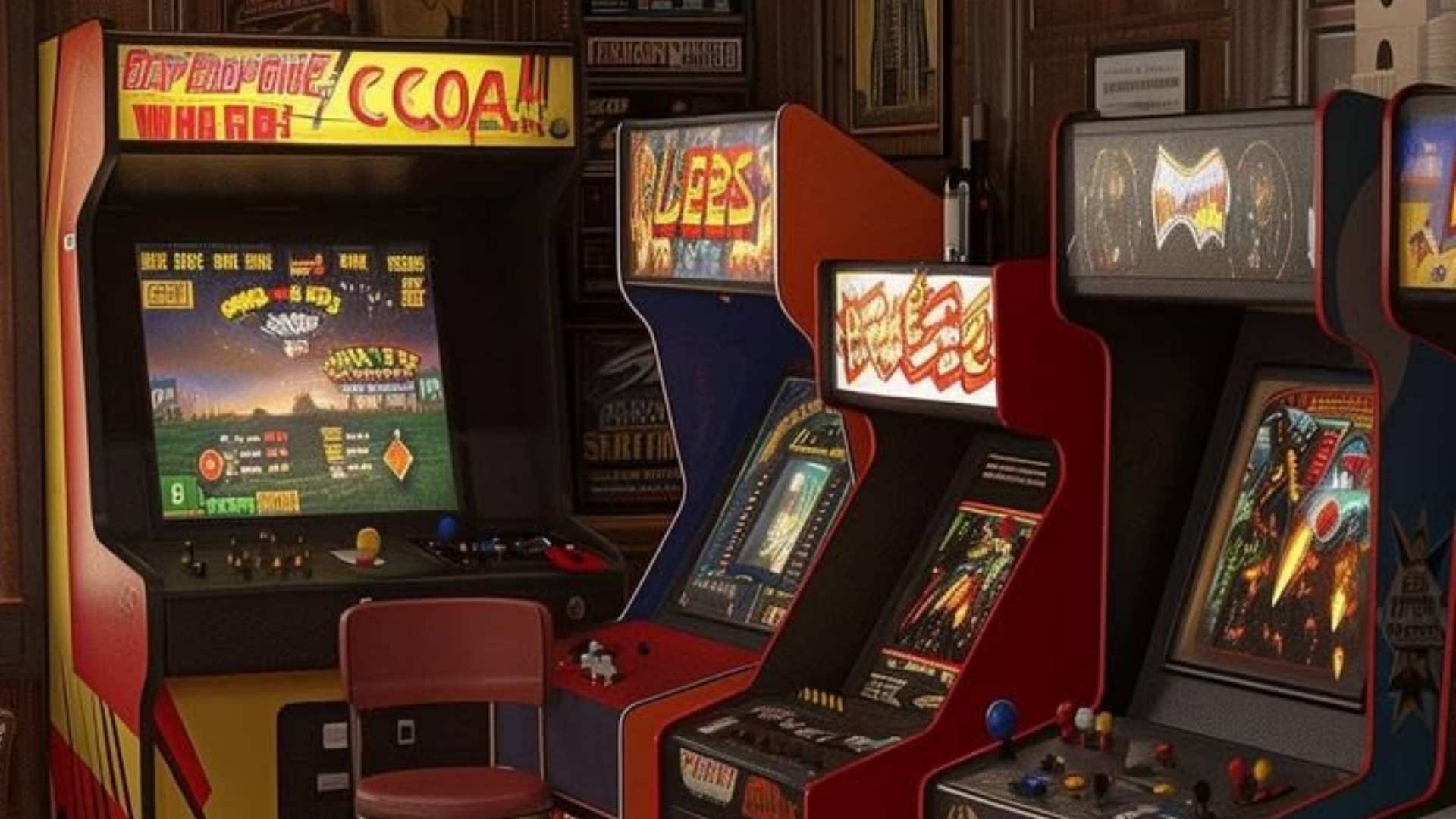
The social aspect of arcade gaming has transitioned from neon-lit halls to interconnected digital networks where feedback loops happen in real-time. Developers who actively listen to their audience can fine-tune mechanics and balance gameplay to maintain a healthy and fair competitive scene.
This collaboration between creators and players often leads to the discovery of unintended mechanics that can be officially adopted into the game's design. This evolution keeps the meta-game shifting, forcing veteran players to rethink their approaches and stay on their toes.
Ultimately, the goal of modern arcade design is to preserve the instant fun of the past while utilizing the power of today's technology. By building for replayability, studios are ensuring that the spirit of the arcade remains a cornerstone of digital entertainment for generations to come.