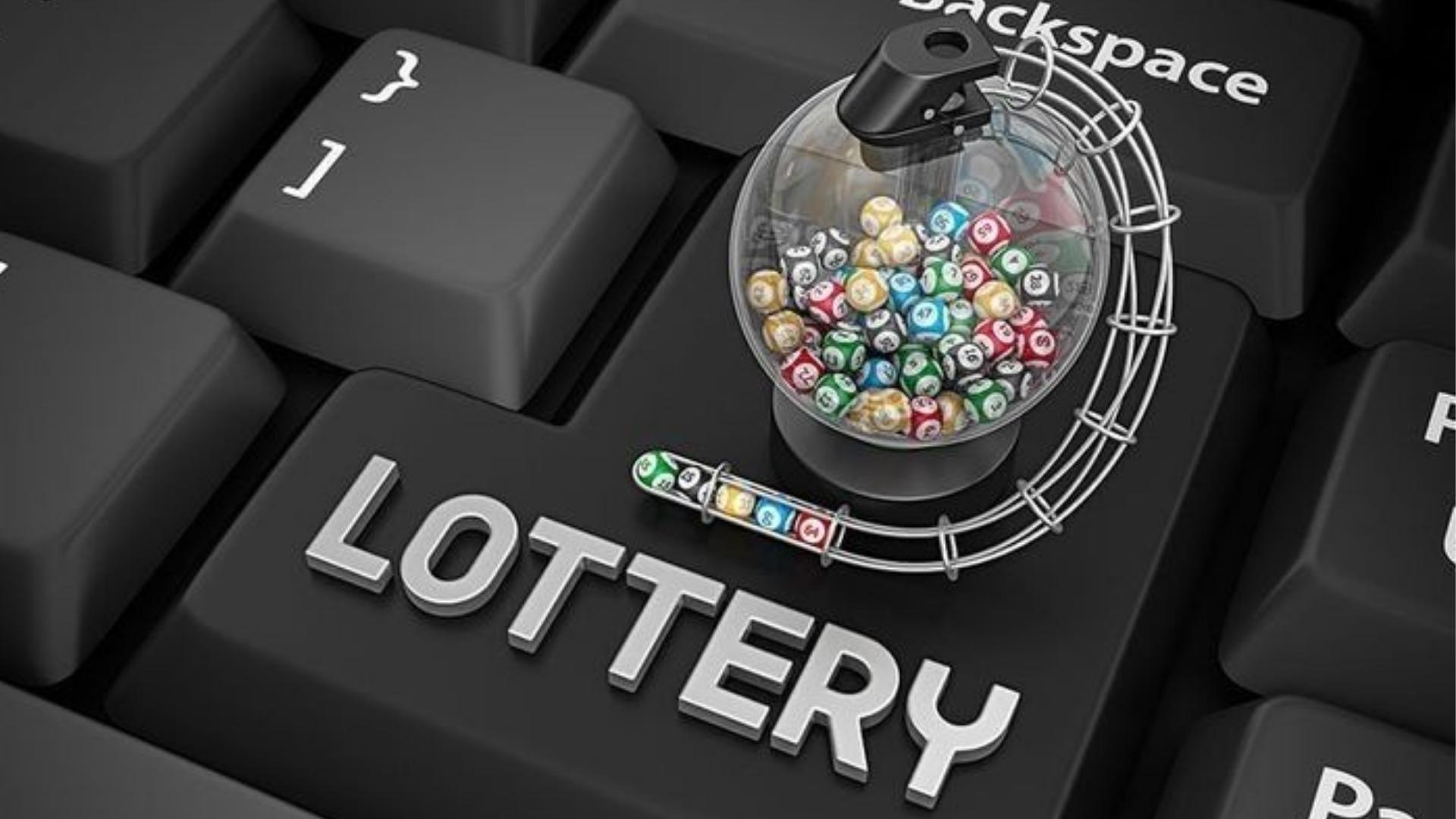
While many people use the terms betting and gambling interchangeably, they represent distinct concepts within the gaming and financial worlds. Both activities involve risking capital on uncertain outcomes, but the underlying mechanisms and strategies differ significantly. Understanding these nuances helps individuals make informed decisions and approach risk-based entertainment with greater clarity.
Defining Gambling: The Role of Pure Chance
Gambling primarily relies on luck and random chance rather than personal skill or analysis. Classic examples include slot machines, roulette, and lotteries, where outcomes are determined by random number generators or mechanical draws. Players have no control over the results, making long-term prediction impossible regardless of experience.
Because the house edge is mathematically built into gambling games, the odds always favor the operator over time. Participants engage in gambling mainly for entertainment rather than consistent financial returns. Recognizing the element of pure chance is essential for practicing responsible gaming habits.
Defining Betting: Strategy, Analysis, and Skill
Betting typically involves predicting the outcome of specific events based on research, statistical analysis, and contextual knowledge. Sports wagering, horse racing, and financial market speculation are common forms of betting where historical data plays a critical role. Informed bettors evaluate factors like weather, injuries, and team momentum before placing a wager.
For those interested in exploring modern gaming platforms, exploring sites like m88 alternatif offers insight into how sportsbooks structure odds and markets. Unlike pure chance games, betting allows participants to leverage knowledge to identify favorable value. While risk remains inherent, strategic preparation can influence overall decision-making quality.
Key Differences in Risk and Control
The fundamental distinction between betting and gambling lies in the degree of influence a participant maintains over their choices. In gambling, every turn or spin is completely independent of previous events, leaving no room for strategic intervention. Conversely, betting provides opportunities to analyze probabilities and manage risk through calculated stakes.
Risk management techniques, such as bankroll allocation and value assessment, are central to structured betting approaches. While gambling relies entirely on hope and luck, betting relies heavily on information gathering and discipline. Distinguishing between these two concepts helps participants set realistic expectations.
Legal and Psychological Factors
Regulatory bodies across the world often categorize betting and gambling under different legal frameworks based on skill elements. Many jurisdictions treat sports wagering differently from traditional casino gaming due to the analytical component involved. These distinctions impact licensing, taxation, and consumer protection laws in various regions.
Psychologically, the mindset required for each activity varies greatly among participants. Gamblers often seek the excitement of unpredictable thrills, whereas serious bettors focus on methodical evaluation and long-term discipline. Maintaining awareness of these psychological drivers promotes healthy and responsible engagement.