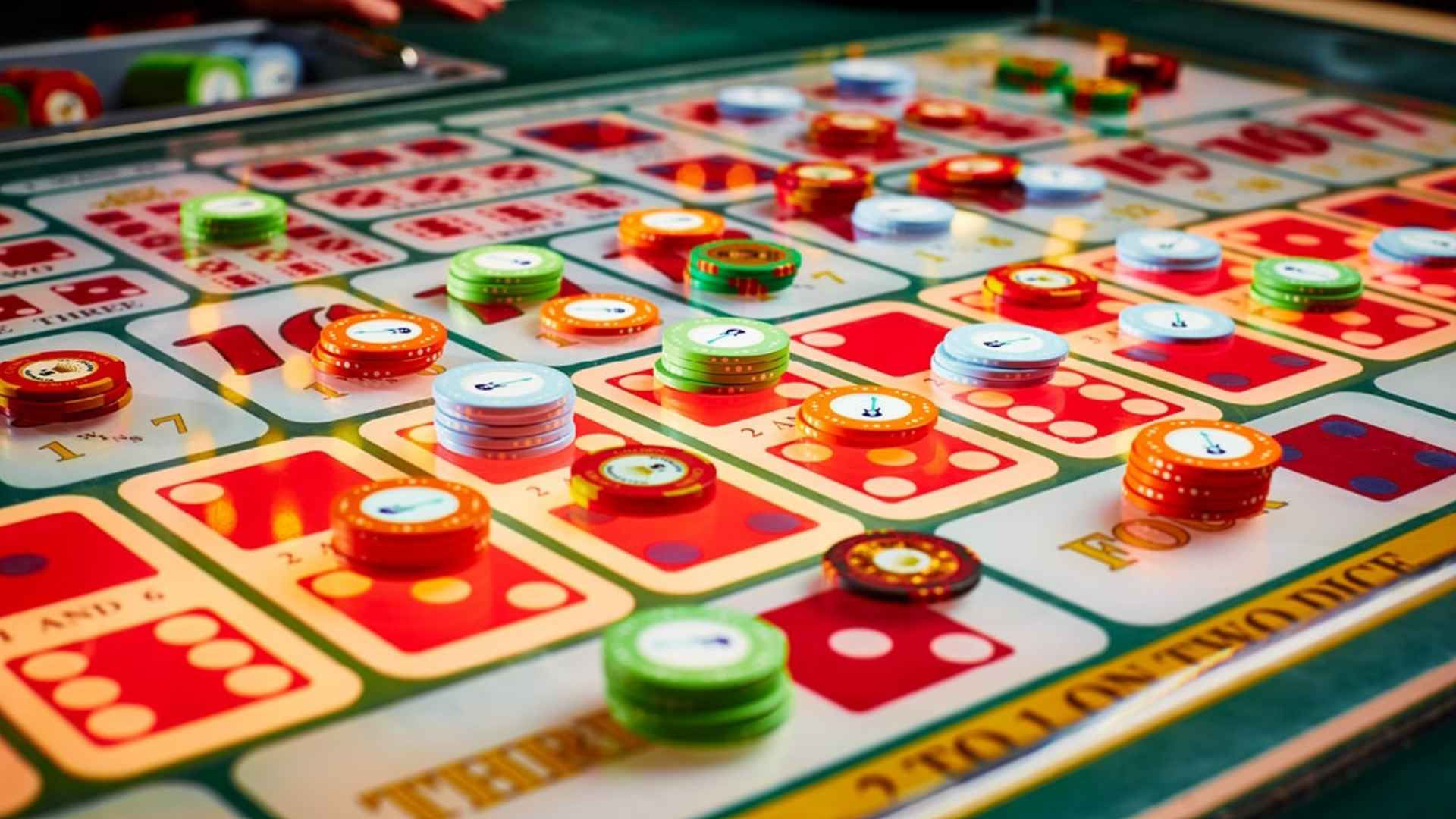
Wheel-based game formats have maintained an enduring presence across physical carnival stalls, television game shows, and modern digital entertainment platforms. Their persistent popularity lies in a delicate design formula that combines straightforward mechanics with variable outcomes. By analyzing how these elements interact, game designers can understand why players remain consistently engaged over long periods.
The Power of Immediate Accessibility
One of the primary strengths of a spinning wheel game is its complete lack of entry barriers. Players do not need to study complex manuals or master intricate physical controls to participate fully. The core objective is instantly recognizable, allowing anyone to jump in without feeling overwhelmed by steep learning curves.
This visual simplicity ensures that the primary focus remains on the anticipation of the outcome rather than calculating complicated rules. Because every player operates on equal visual footing, the experience feels inherently fair and welcoming. Simple mechanics allow the mind to focus purely on the narrative of the spin itself.
Engineering Unpredictable Visual Drama
While the rules are simple, the element of surprise is generated entirely by the physical or digital motion of the wheel slowing down. As the pointer ticks across different segments, the rate of deceleration creates dynamic visual tension. This lingering uncertainty heightens player focus during the final moments of rotation.
When exploring online gaming interfaces, accessing platforms through an m88 link login reveals how modern software mirrors these traditional visual mechanics to maintain high user engagement. The unpredictable nature of variable outcomes triggers genuine excitement without changing the core rules. Each spin delivers a distinct micro-experience, keeping the overall process fresh and surprising.
Building Sustainable Replayability
Replayability relies on the psychological desire to test fate once more after an outcome is revealed. Because a single turn takes only a few seconds, the time investment required to play again is minimal. This low barrier encourages repeated sessions without causing cognitive fatigue.
Furthermore, designers often vary segment sizes or reward distributions to create multi-layered risk scenarios. Even when players know every potential landing zone, the order and timing of results remain completely random. This balance between familiar choices and uncertain landing points keeps the overall loop continually satisfying over time.
Integrating Balanced Design Across Formats
Achieving the right balance requires careful consideration of visual clarity and statistical probability. If a game is too predictable, players quickly lose interest due to a lack of genuine stakes. Conversely, if the mechanics feel chaotic or hidden, the sense of fair play is diminished.
Successful wheel games master this balance by presenting transparent options paired with authentic mathematical variance. By keeping the interface clean and the momentum steady, creators build an environment where simplicity and surprise complement one another. This thoughtful combination guarantees that wheel games will remain a staple format in interactive entertainment for years to come.