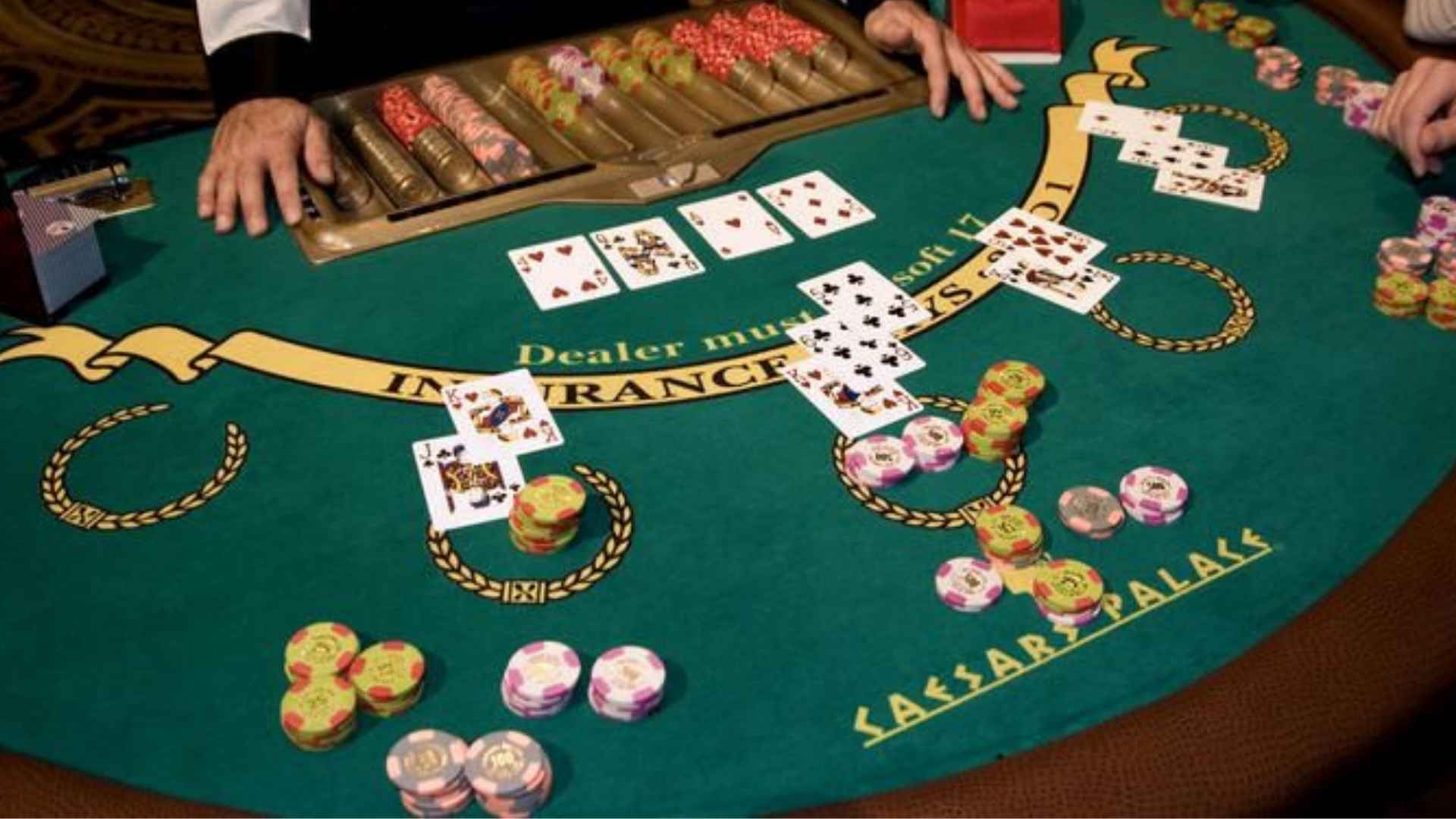
Before taking a seat at any baccarat table, taking the time to review the game's foundational mechanics can significantly improve your overall experience. While baccarat is celebrated for its elegant simplicity, subtle guidelines govern how hands are calculated, how wagers are resolved, and how optional hits are triggered. Understanding these key rules helps players make informed decisions and approach each round with confidence.
Understanding Card Values and Point Values
The scoring system in baccarat is distinct from most standard card games. Cards two through nine hold their face values, while tens, jacks, queens, and kings count as zero points, and aces are valued at one point. When the sum of two cards exceeds nine, the total is adjusted by dropping the first digit.
For example, if a hand receives a seven and an eight, the combined value of fifteen becomes a final point score of five. The maximum achievable score in any round is nine, which is commonly referred to as a natural total when hit on the initial deal. This straightforward system eliminates complex math during active gameplay.
Distinguishing Between Primary Betting Options
Players must decide where to place their wagers prior to any cards being dealt from the shoe. The three main options consist of betting on the Player hand, the Banker hand, or a Tie result. Each bet carries different statistical house advantages and payout structures.
Statistically, the Banker hand offers a slightly higher probability of winning, which is why standard table rules apply a five percent commission fee to winning Banker payouts. The Player wager pays even money without any commission deduction. Observing these payouts on reputable digital platforms or through mobile apps like m88下载 can provide practical exposure to real-time game flows.
The Automatic Third Card Drawing Mechanics
One of the most important aspects to understand is that third-card draws are entirely determined by fixed house rules rather than player choice. If either the Player or Banker hand totals eight or nine from the first two cards, the hand is finalized immediately as a natural win or tie.
If neither side hits a natural, the Player hand stands on totals of six or seven, but receives a third card on totals of zero through five. The Banker hand follows a more structured table based on its own initial total and the exact value of the third card dealt to the Player. Because these actions are mandatory, players can simply watch the dealer execute the predefined sequence.
Establishing Discipline and Game Awareness
Reviewing the rules also means understanding how session management affects your gameplay clarity. Because baccarat moves at a steady, structured pace, keeping track of your wagers and maintaining fixed limits prevents impulsive decision-making. Each deal operates independently of past outcomes, meaning previous streaks do not dictate future hands.
By familiarizing yourself with card values, standard payouts, and mandatory third-card rules, you remove guesswork from the table. Approaching the game with sound preparation ensures a transparent and enjoyable gaming experience.